
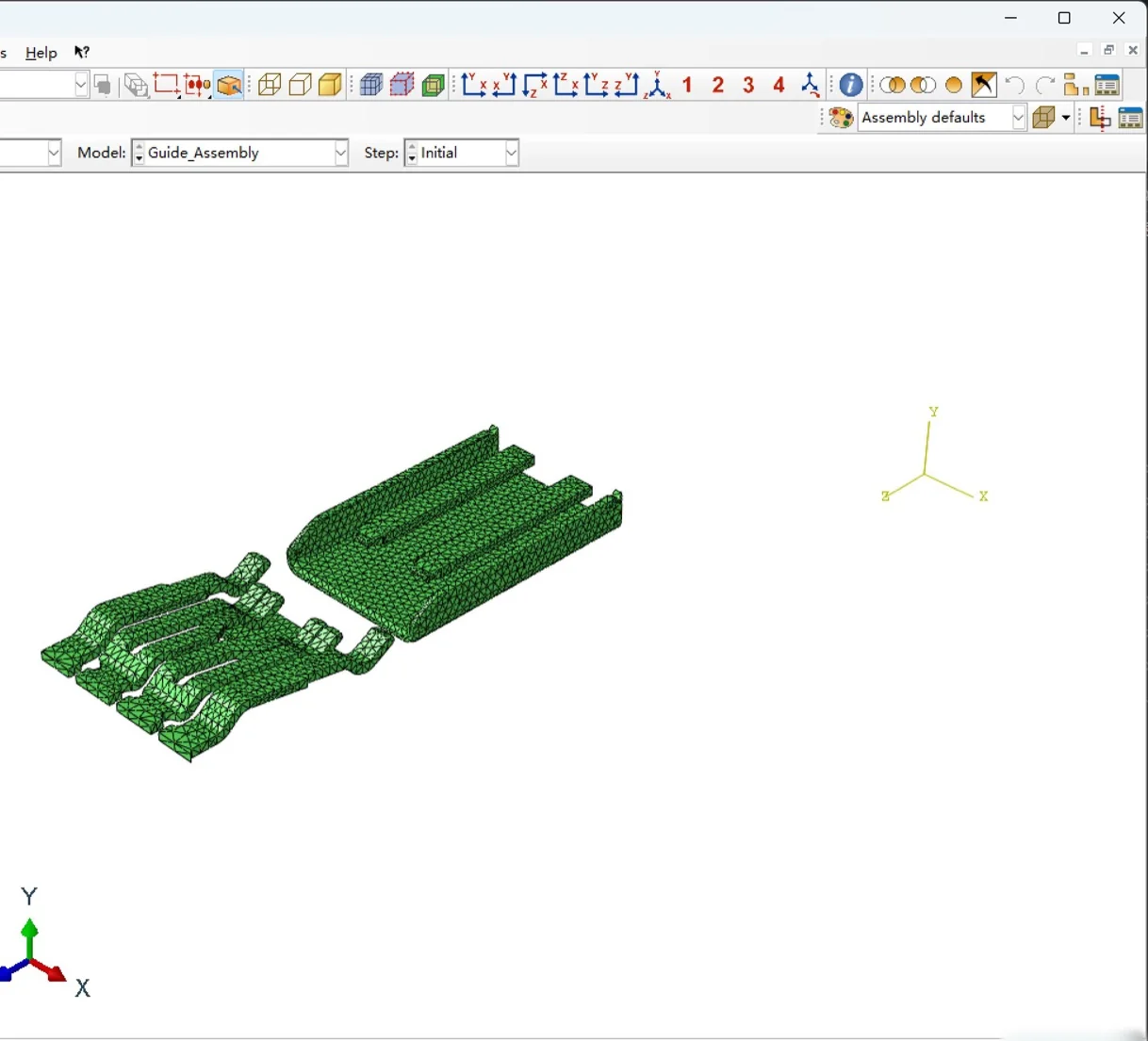
Mechanics and CAE
Simulation and design for connectors, composites, coatings, metals and steel structures. Models solve natively in Abaqus and are graded on computed results and design codes.
We record engineers directing AI through real engineering projects, then license, check and deliver the full trajectories to model developers for post-training.
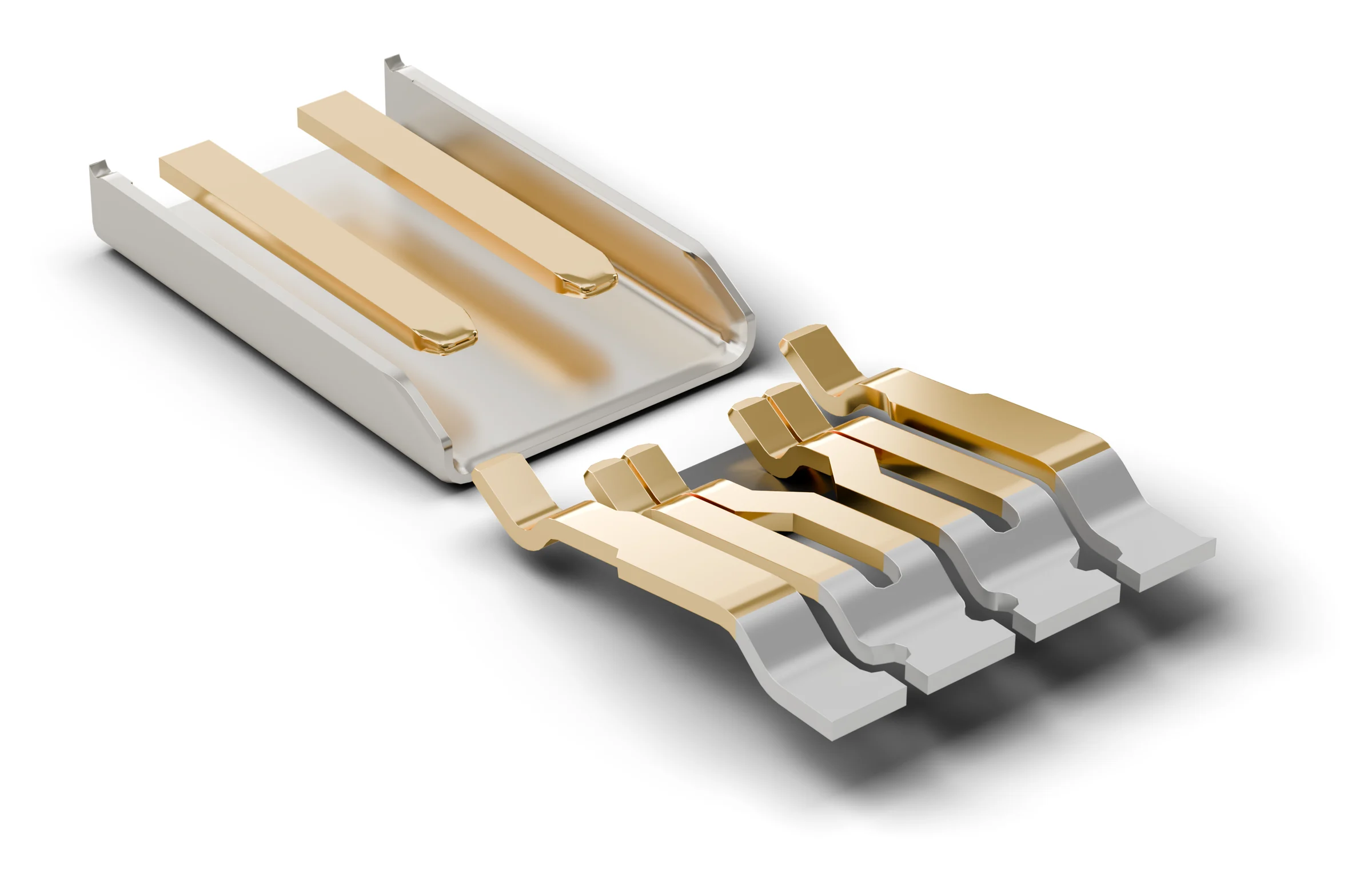
The data comes from real projects engineers are working on. Every field has answers that can be checked against physics or hardware.
Simulation and design for connectors, composites, coatings, metals and steel structures. Models solve natively in Abaqus and are graded on computed results and design codes.
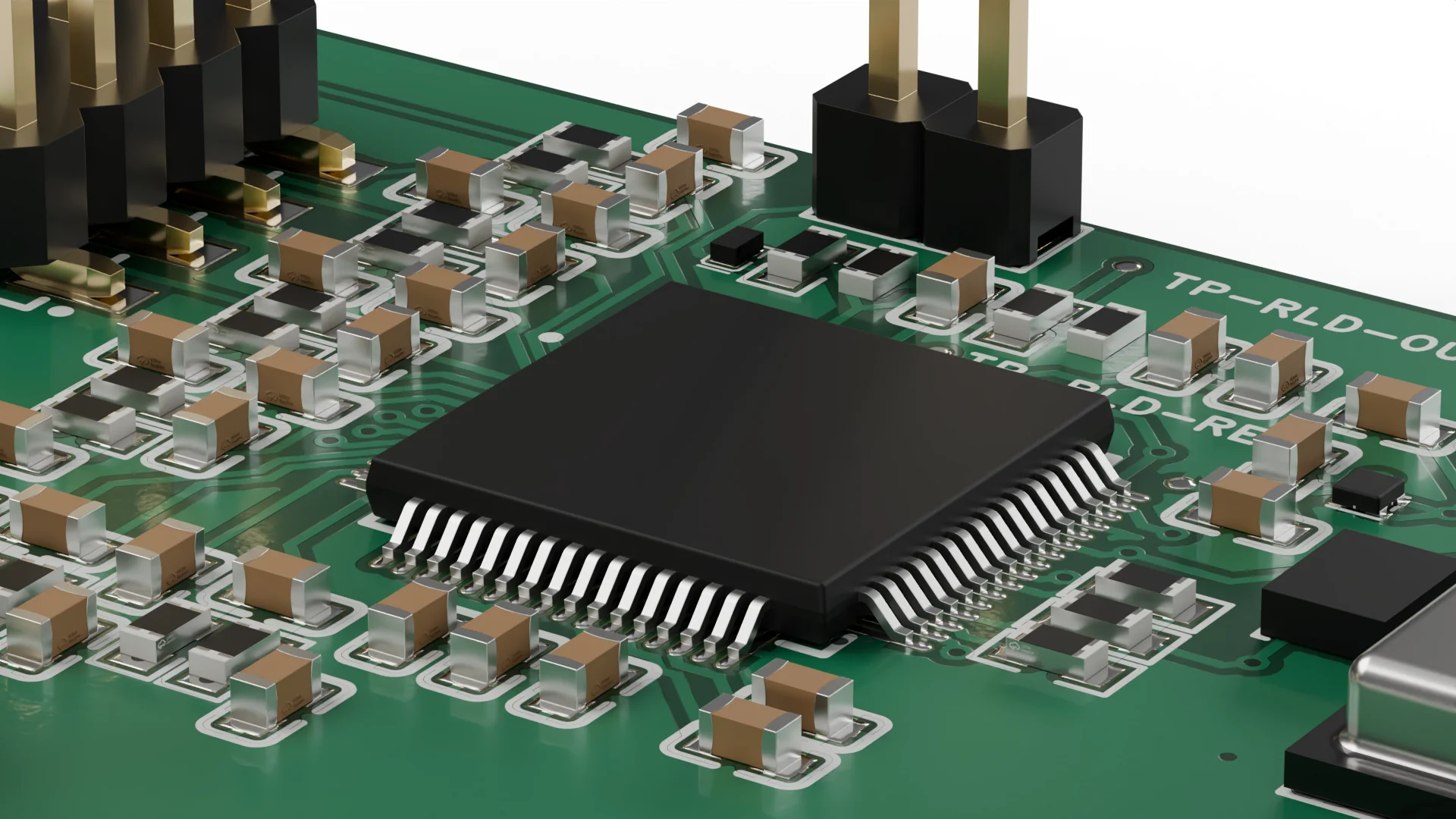
From schematic review and board bring-up to noise and Bluetooth debugging. Readings from the oscilloscope and multimeter are the most direct way to correct the AI.
We test frontier models on real engineering problems, and measure what changes when an expert’s judgment is added.
8 fields, 4 frontier models. Each cell is an engineering score from 0 to 100. Time limits of 1–6 hours per task, independent grading, targets hidden from the model.
| Field | GPT-6.2 Astra | GPT-6.2 Sol | GPT-6.1 Terra | GPT-6 Luna |
|---|---|---|---|---|
| Connector assembly with substructuring | 78.0✓ | 59.0 | 59.5 | 44.5 |
| Permanent deformation of a coating under repeated impact | 61.9 | 54.6 | 0 | 0 |
| Indentation creep of a metallic glass | 56.1 | 56.5 | 43.8 | 46.0 |
| Steel space-frame member and joint design | 37.4 | 28.4 | 27.9 | 24.6 |
| Connector contact forces under random vibration | 21.5 | 18.5 | 13.0 | 7.5 |
| Indentation creep across two materials | — | 41.7 | — | — |
| Preloaded connector under vibration | — | 38.0 | — | — |
| Composite cooling deformation | — | 37.5 | — | — |
✓ passed engineering acceptance — not yet tested Tested November 2026
Sandwich panel rebound under repeated impact: in progress.
Seven debugging points from an EMG board project where models got it wrong on their own; problems and rubrics were registered before testing. Each problem was run two ways: with the context at the time only, or with the engineer’s actual remark added. 6 models, 4 runs per condition. The grader agreed with human grading on 18 of 20 checks.
An engineer directing AI through a real project, start to finish: every step, every correction and the reason for it. Usable for SFT and preference data.
Gradable tasks cut from trajectories, each with a solver or a rubric as the grader. We test the grader itself before it is used.
Engineering problems that human experts get right and frontier models often get wrong. Run and grade them in your own environment.
Live simulation and hardware projects from working engineers, not problems written for data collection.
The engineer completes the project with an AI agent and only judges and corrects.
The state before and after, the engineer’s own words, and the reason.
By solver where possible; otherwise by rubric, with human spot checks.
Formatted for your training pipeline, with a data card and a license chain.
Nine industrial-grade mechanics and structural tasks from real engineering work. Simulation tasks solve natively in Abaqus, and an independent verifier grades every answer.
Engineers and graduate researchers in mechanics, CAE and embedded hardware. Work is project-based, with clear data licensing terms.